
Understanding leadership in healthcare management practices
Leadership in healthcare is more than just managing teams or overseeing daily operations. It is about guiding people, improving patient outcomes, and ensuring that healthcare systems function smoothly.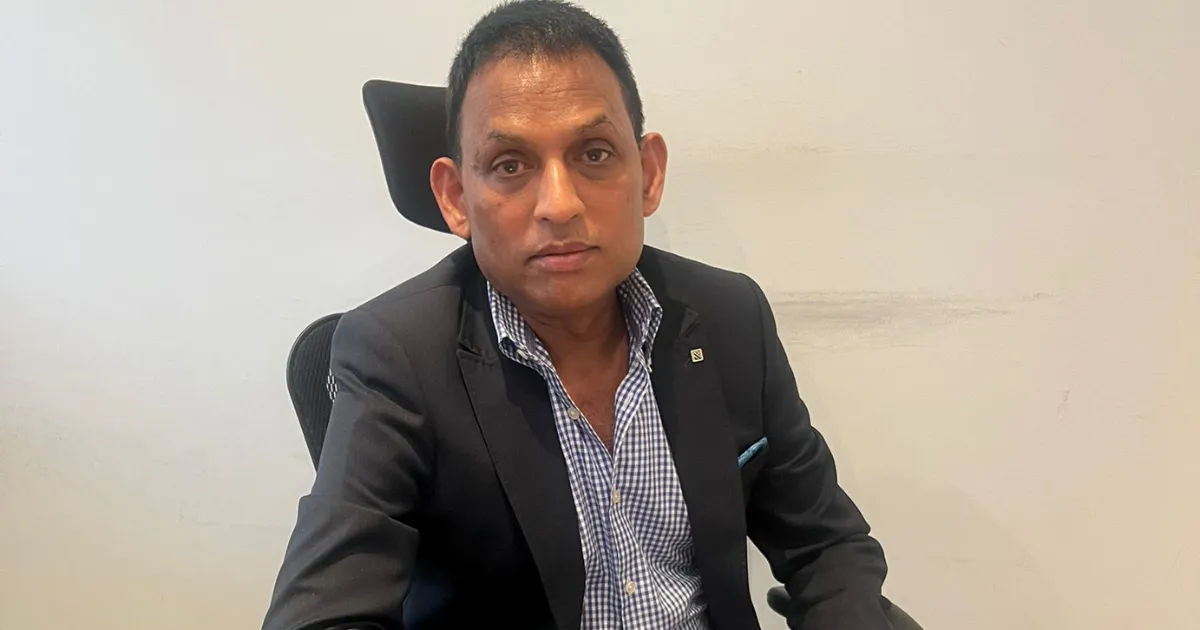
In today’s fast-changing world, strong leadership plays a critical role in delivering quality care. One concept that continues to gain attention is Sheth Jeebun healthcare operations management, which focuses on combining leadership skills with efficient operational practices.
Healthcare leaders must balance compassion with strategy. They are responsible for making decisions that impact patients, staff, and the overall system. This guide explores leadership in healthcare management practices in a simple and easy-to-understand way.
What is Leadership in Healthcare?
Leadership in healthcare refers to the ability to influence, guide, and support healthcare teams to achieve goals. These goals often include improving patient care, managing resources, and maintaining high standards of safety.
In the context of Sheth Jeebun healthcare operations management, leadership also involves understanding how systems work together. Leaders must ensure that operations run efficiently while keeping patient care at the center.
Healthcare leaders include hospital administrators, department heads, nurses in charge, and even doctors who guide teams.
Importance of Leadership in Healthcare
Leadership is essential in healthcare because it directly affects patient outcomes. Good leadership creates a positive environment where staff feel motivated and supported.
Strong leadership helps to:
- Improve patient safety
- Increase staff satisfaction
- Reduce errors
- Enhance communication
- Ensure efficient use of resources
The principles of Sheth Jeebun healthcare operations management highlight how leadership and operations are connected. Without good leadership, even the best systems may fail.
Key Qualities of Effective Healthcare Leaders
Effective healthcare leaders share certain qualities that help them succeed.
Communication Skills
Clear communication is vital. Leaders must explain policies, give instructions, and listen to feedback.
In Sheth Jeebun healthcare operations management, communication ensures smooth coordination between departments.
Decision-Making Ability
Healthcare leaders often make quick decisions. These decisions can impact patient lives.
A strong leader uses data, experience, and teamwork to make informed choices, which is also emphasized in Sheth Jeebun healthcare operations management.
Emotional Intelligence
Understanding emotions helps leaders manage teams better. Healthcare environments can be stressful, so empathy is important.
Problem-Solving Skills
Leaders must handle challenges such as staff shortages or emergencies. The framework of Sheth Jeebun healthcare operations management supports structured problem-solving approaches.
Adaptability
Healthcare is always changing. Leaders must adapt to new technologies, policies, and patient needs.
Leadership Styles in Healthcare
Different leadership styles are used in healthcare settings. Each has its advantages.
Transformational Leadership
Transformational leaders inspire and motivate teams. They focus on long-term goals and innovation.
This style aligns closely with Sheth Jeebun healthcare operations management, as it encourages improvement and efficiency.
Transactional Leadership
This style focuses on structure and rewards. Leaders set clear expectations and monitor performance.
Democratic Leadership
Democratic leaders involve team members in decision-making. This improves teamwork and trust.
Autocratic Leadership
In emergencies, leaders may need to make quick decisions without consultation. This style can be useful in critical situations.
Servant Leadership
Servant leaders prioritize the needs of their team. They focus on supporting staff to deliver better care.
Role of Leadership in Healthcare Operations
Leadership and operations are closely linked. Healthcare operations involve managing resources, staff, and processes.
In Sheth Jeebun healthcare operations management, leadership ensures that operations are efficient and patient-focused.
Leaders must:
- Manage budgets
- Allocate resources
- Monitor performance
- Improve workflows
Without strong leadership, operations can become disorganized.
Challenges Faced by Healthcare Leaders
Healthcare leaders face many challenges in their roles.
Staff Shortages
Many healthcare systems struggle with a lack of staff. Leaders must manage workloads and prevent burnout.
Financial Constraints
Limited budgets can affect services. Leaders must make careful decisions about spending.
Technological Changes
New technologies require training and adaptation. Leaders must guide teams through these changes.
Patient Expectations
Patients expect high-quality care. Meeting these expectations requires strong leadership.
The strategies in Sheth Jeebun healthcare operations management help leaders overcome these challenges.
Importance of Teamwork in Healthcare Leadership
Healthcare is a team effort. Doctors, nurses, technicians, and administrators all work together.
Leaders must promote teamwork by:
- Encouraging collaboration
- Building trust
- Resolving conflicts
In Sheth Jeebun healthcare operations management, teamwork is essential for smooth operations.
Ethical Leadership in Healthcare
Ethics play a major role in healthcare. Leaders must make fair and responsible decisions.
Ethical leadership includes:
- Respecting patient rights
- Maintaining confidentiality
- Ensuring equal treatment
The principles of Sheth Jeebun healthcare operations management support ethical practices in daily operations.
Leadership and Patient Care Quality
Good leadership improves patient care. Leaders set standards and ensure that staff follow them.
They also:
- Monitor patient outcomes
- Implement safety measures
- Encourage continuous improvement
Through Sheth Jeebun healthcare operations management, leaders can connect operational efficiency with better patient care.
Training and Development for Healthcare Leaders
Leadership skills can be developed through training and education.
Programs often include:
- Management courses
- Communication training
- Leadership workshops
The framework of Sheth Jeebun healthcare operations management emphasizes continuous learning for leaders.
Technology and Leadership in Healthcare
Technology plays a big role in modern healthcare.
Leaders must understand and use:
- Electronic health records
- Telemedicine systems
- Data analytics tools
In Sheth Jeebun healthcare operations management, technology is used to improve efficiency and decision-making.
Crisis Management in Healthcare Leadership
Healthcare leaders must handle crises such as pandemics or emergencies.
Effective crisis leadership involves:
- Quick decision-making
- Clear communication
- Resource management
The strategies in Sheth Jeebun healthcare operations management help leaders respond effectively to crises.
Building a Positive Work Culture
A positive work environment improves staff performance and patient care.
Leaders can build this by:
- Recognizing achievements
- Supporting staff well-being
- Encouraging open communication
In Sheth Jeebun healthcare operations management, workplace culture is key to operational success.
Leadership and Innovation in Healthcare
Innovation helps healthcare systems improve.
Leaders must:
- Encourage new ideas
- Support research
- Implement new solutions
The approach of Sheth Jeebun healthcare operations management promotes innovation in operations and leadership.
Measuring Leadership Effectiveness
It is important to evaluate how well leaders perform.
Common measures include:
- Patient satisfaction
- Staff retention
- Operational efficiency
In Sheth Jeebun healthcare operations management, data is used to measure and improve leadership performance.
Future of Leadership in Healthcare
The future of healthcare leadership will focus on:
- Digital transformation
- Patient-centered care
- Global collaboration
Leaders will need to adapt to these changes while maintaining strong management practices.
The principles of Sheth Jeebun healthcare operations management will continue to guide future leaders.
Conclusion
Leadership in healthcare management is essential for delivering high-quality care and ensuring efficient operations. It involves guiding teams, making decisions, and adapting to challenges. Strong leadership improves patient outcomes, supports staff, and enhances overall system performance.
The concept of Sheth Jeebun healthcare operations management highlights the connection between leadership and operational efficiency. By combining strong leadership skills with effective management practices, healthcare organizations can achieve better results.
Future healthcare leaders must focus on communication, teamwork, ethics, and innovation. They must also be prepared to face challenges such as technological changes and resource limitations.
In the end, leadership is not just about authority—it is about responsibility. It is about making decisions that improve lives and create a better healthcare system for everyone. By following the principles of Sheth Jeebun healthcare operations management, leaders can build systems that are efficient, effective, and compassionate.
Leave a Comment